


How To Maintain SMT Machines: A Comprehensive Guide
SMT (Surface Mount Technology) machines have become a cornerstone of modern electronics manufacturing, particularly in the realm of flexible manufacturing. Flexible manufacturing refers to the ability of a production system to adapt quickly to changes in product design, volume, and variety. SMT...
Product Introduction
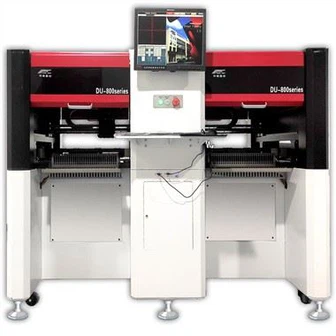
SMT (Surface Mount Technology) machines have become a cornerstone of modern electronics manufacturing, particularly in the realm of flexible manufacturing. Flexible manufacturing refers to the ability of a production system to adapt quickly to changes in product design, volume, and variety. SMT machines have made significant strides in this area, enabling manufacturers to meet the demands of an ever-evolving market. This article highlights the key achievements of SMT machines in flexible manufacturing.
1. Adaptability to Diverse Product Designs
One of the most notable achievements of SMT machines is their ability to handle a wide range of product designs. With advanced software and modular hardware, these machines can quickly switch between different PCB layouts and component types. This adaptability is crucial for industries like consumer electronics, where product lifecycles are short, and design changes are frequent.
2. High Mix, Low Volume (HMLV) Production
SMT machines excel in High Mix, Low Volume (HMLV) production environments, where manufacturers produce a variety of products in small quantities. Features like quick-change feeders, programmable nozzles, and flexible conveyor systems allow SMT machines to transition seamlessly between different production runs, minimizing downtime and maximizing efficiency.
3. Rapid Prototyping
In the fast-paced world of electronics, rapid prototyping is essential for bringing new products to market quickly. SMT machines enable manufacturers to produce prototypes with the same precision and quality as mass-produced items. This capability accelerates the development process and allows for faster iteration and testing.
4. Integration with Industry 4.0 Technologies
SMT machines have embraced Industry 4.0 technologies, such as IoT (Internet of Things), AI (Artificial Intelligence), and big data analytics. These technologies enable real-time monitoring, predictive maintenance, and data-driven decision-making, further enhancing the flexibility and efficiency of SMT machines. For example, AI algorithms can optimize component placement paths, reducing cycle times and improving accuracy.
5. Customization and Personalization
The demand for customized and personalized products is on the rise, and SMT machines are well-equipped to meet this need. With their ability to handle a wide range of components and configurations, SMT machines can produce tailored solutions for specific customer requirements. This capability is particularly valuable in industries like automotive and medical devices, where customization is often critical.
6. Scalability
SMT machines offer excellent scalability, allowing manufacturers to ramp up production quickly in response to market demands. Whether it's increasing the volume of an existing product or introducing a new product line, SMT machines can be easily integrated into existing production systems, providing a flexible and scalable solution.
7. Enhanced Quality Control
Flexible manufacturing requires robust quality control mechanisms to ensure consistent product quality across different production runs. SMT machines are equipped with advanced vision systems and inspection technologies that detect defects and ensure compliance with quality standards. This capability is essential for maintaining customer trust and meeting regulatory requirements.
8. Sustainability
Sustainability is a growing concern in manufacturing, and SMT machines contribute to this goal by minimizing waste and optimizing resource usage. Features like precise solder paste application and efficient component placement reduce material waste, while energy-efficient designs lower power consumption. These advancements align with the broader trend toward sustainable manufacturing practices.
Conclusion
SMT machines have achieved remarkable success in flexible manufacturing, enabling manufacturers to adapt quickly to changing market demands, produce a wide variety of products, and maintain high levels of quality and efficiency. Their adaptability, integration with advanced technologies, and ability to support customization and rapid prototyping make them indispensable in modern electronics manufacturing. As the industry continues to evolve, SMT machines will play a pivotal role in driving innovation and meeting the challenges of flexible manufacturing.
In summary, the achievements of SMT machines in flexible manufacturing underscore their importance as a versatile and reliable solution for the dynamic world of electronics production. Their ability to combine speed, precision, and adaptability ensures that they remain at the forefront of manufacturing technology, empowering businesses to thrive in a competitive and ever-changing landscape.
Hot Tags: how to maintain smt machines: a comprehensive guide, China, manufacturers, suppliers, factory, customized, wholesale, cheap, pricelist, low price, buy discount, HW-T6-64F Pick And Place Machine, HW DSQ800 120F Pick And Place Machine, HW DU800 96F Pick And Place Machine, HW-DU800-96F Pick And Place Machine, HW-T8-80F Pick And Place Machine, HW-T4-44F Pick And Place Machine
You Might Also Like


Send Inquiry
