Key Technologies in High-speed And High-precision Placement Machines
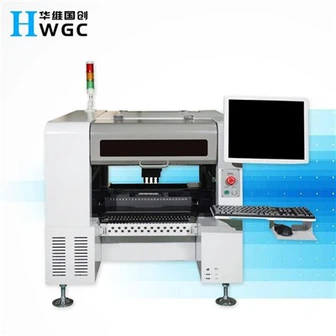
High-speed and high-precision placement machines are an integral part of the manufacturing process in the electronics industry. These machines are designed to place tiny electronic components accurately and quickly on printed circuit boards, increasing production capacity and reducing manual labor.
Key technologies that have enabled high-speed and high-precision placement machines include:
1. Vision systems: Accurate component placement requires precise alignment with the board. Vision systems use cameras and image processing algorithms to locate and align components with high accuracy, even as the board moves through the machine.
2. Pick-and-place heads: These heads use vacuum suction and a highly precise mechanism to pick up and place small components on the board. High-speed placement machines require multiple pick-and-place heads to work in tandem for maximum throughput.
3. Motion control systems: High-speed placement machines require rapid and precise motion control to ensure smooth and accurate movements of the board and the pick-and-place heads. Advanced motion control systems use feedback sensors and predictive algorithms to optimize performance.
4. Software and programming: High-speed placement machines are controlled by sophisticated software that enables precise control of the pick-and-place heads, vision systems, and motion control systems. The software is also responsible for programming the machine to place components in the correct locations on the board.
5. Quality control systems: High-speed and high-precision placement machines require reliable quality control systems to ensure correct placement of components, detection of errors, and prevention of defects. These systems use advanced algorithms to analyze data from the machine and ensure that everything is functioning as intended.
In summary, the key technologies that have enabled high-speed and high-precision placement machines include vision systems, pick-and-place heads, motion control systems, software and programming, and quality control systems. These technologies have helped to revolutionize the electronics manufacturing industry, making it possible to produce electronic devices at a faster rate and with greater precision than ever before.