Exploring the Innovation Path of High-Speed Placement Technology in Pick-and-Place Machines
Introduction:
High-speed placement technology has revolutionized the field of pick-and-place machines. These machines are the backbone of modern manufacturing, used in industries such as electronics, automotive, aerospace, and consumer goods. High-speed placement technology has helped to increase the speed and accuracy of these machines, reducing production times and costs. In this article, we will explore the innovation path of high-speed placement technology in pick-and-place machines.
Innovation Path:
The innovation path of high-speed placement technology in pick-and-place machines began in the early 1980s when the first pick-and-place machines were introduced in the market. These machines had low placement rates and were limited in their ability to place small and odd-shaped components accurately. However, with the advancements in computer technology, the integration of vision systems, and the development of more precise control mechanisms, the placement rates of these machines improved.
The early 2000s marked a significant milestone in the innovation path of high-speed placement technology. Advancements in robotics, artificial intelligence, and machine learning enabled the production of faster, more efficient, and accurate pick-and-place machines. In addition, improvements in vacuum suction, gripper design, and component placement control mechanisms increased the accuracy and reliability of these machines.
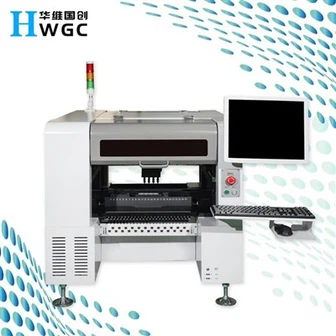
Today, high-speed placement technology has reached its pinnacle, with pick-and-place machines capable of placing thousands of components per minute with incredible accuracy. These machines are equipped with multiple heads, vision systems, and advanced control mechanisms that allow them to place even the most complex and delicate components with ease.
Benefits of High-Speed Placement Technology:
The benefits of high-speed placement technology in pick-and-place machines are many. First, it enables faster and more efficient production, reducing production times and costs. Second, it allows manufacturers to produce more complex and delicate products, expanding their product line and increasing the competitiveness of their business. Third, it improves the quality of the products produced, reducing errors and waste.
Conclusion:
The innovation path of high-speed placement technology in pick-and-place machines has been a remarkable journey. Advancements in computer technology, robotics, artificial intelligence, and machine learning have enabled the production of faster, more efficient, and accurate pick-and-place machines. These machines have revolutionized the manufacturing industry, providing manufacturers with the tools they need to produce high-quality products more efficiently and cost-effectively.