


The Impact Of Feeder Quantity in SMT Placement Machines On Production
In Surface Mount Technology (SMT) manufacturing, the placement machine is a critical piece of equipment, and the number of feeders it supports plays a significant role in determining production efficiency, flexibility, and overall output. Feeders are responsible for supplying components to the...
Product Introduction
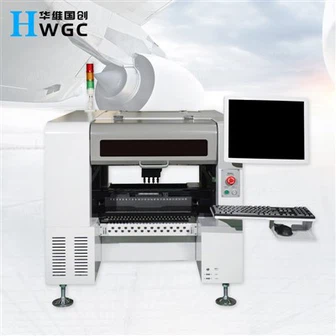
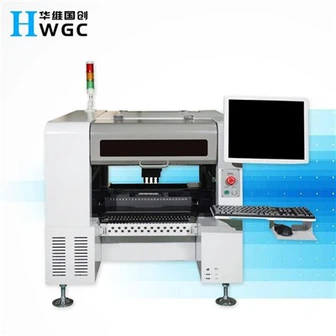
In Surface Mount Technology (SMT) manufacturing, the placement machine is a critical piece of equipment, and the number of feeders it supports plays a significant role in determining production efficiency, flexibility, and overall output. Feeders are responsible for supplying components to the placement machine, and their quantity directly affects the machine's ability to handle diverse production requirements. Below, we explore how the number of feeders impacts production in SMT manufacturing.
1. Production Efficiency
The number of feeders directly influences the production efficiency of an SMT placement machine.
High Feeder Capacity: A placement machine with a large number of feeders can store and supply more component types simultaneously. This reduces the need for frequent feeder changes during production, minimizing downtime and increasing throughput.
Low Feeder Capacity: Machines with fewer feeders may require frequent stops to switch components, leading to longer setup times and reduced overall efficiency, especially in high-mix, low-volume production environments.
2. Flexibility in Production
The flexibility of an SMT line is highly dependent on the number of feeders available.
High Feeder Capacity: A machine with a high feeder count can handle a wider variety of components and PCB designs without requiring reconfiguration. This is particularly beneficial for manufacturers producing multiple product types or dealing with frequent design changes.
Low Feeder Capacity: Limited feeder availability restricts the range of components that can be loaded at once, making the machine less adaptable to diverse production needs. This can lead to inefficiencies in mixed-production environments.
3. Component Compatibility
The number of feeders also affects the types and sizes of components that can be used in production.
High Feeder Capacity: Machines with more feeders can accommodate a broader range of component types, including small passive components (e.g., 0201 resistors) and larger components (e.g., QFPs or BGAs). This versatility is essential for complex PCB designs.
Low Feeder Capacity: Limited feeder slots may force manufacturers to prioritize certain components, potentially requiring manual intervention or secondary processes for components that cannot be loaded onto the machine.
4. Setup and Changeover Time
The time required to set up and switch between production jobs is heavily influenced by feeder quantity.
High Feeder Capacity: With more feeders, multiple jobs can be pre-loaded, reducing changeover time between production runs. This is especially advantageous for manufacturers with frequent job rotations.
Low Feeder Capacity: Frequent feeder changes and setups increase downtime, slowing down production and reducing overall equipment effectiveness (OEE).
5. Cost Considerations
While a higher number of feeders offers numerous advantages, it also comes with cost implications.
Initial Investment: Machines with more feeders typically have a higher upfront cost.
Maintenance and Operation: More feeders require additional maintenance and may increase operational complexity. However, the long-term benefits of improved efficiency and flexibility often outweigh these costs.
6. Impact on Production Scalability
The number of feeders can determine the scalability of an SMT production line.
High Feeder Capacity: Machines with a large number of feeders are better suited for scaling production to meet higher demands or more complex product lines.
Low Feeder Capacity: Limited feeder availability may constrain production scalability, requiring additional machines or manual intervention to meet growing demands.
Conclusion
The number of feeders in an SMT placement machine has a profound impact on production efficiency, flexibility, and scalability. A higher feeder count enables faster production, greater adaptability to diverse component types, and reduced changeover times, making it ideal for high-mix, high-volume manufacturing environments. On the other hand, machines with fewer feeders may struggle to meet the demands of complex or varied production schedules.
For manufacturers, selecting a placement machine with an appropriate number of feeders is a critical decision that balances initial investment, operational efficiency, and long-term production goals. By understanding the role of feeder quantity, manufacturers can optimize their SMT lines to achieve higher productivity and better meet market demands.
Hot Tags: the impact of feeder quantity in smt placement machines on production, China, manufacturers, suppliers, factory, customized, wholesale, cheap, pricelist, low price, buy discount, Smt Machine, HW J100 Conveyor With Lamp, HW R816 Eight Zone Reflow Soldering, HW-J100 Paste Mixer Pick And Place Machine, Lead Free Reflow Oven, HW-DU400-64F Pick And Place Machine
You Might Also Like



Send Inquiry
