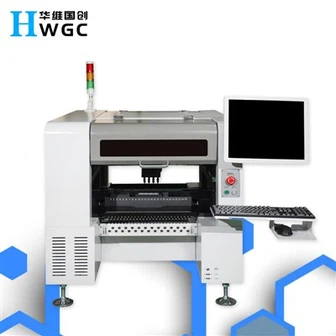
What is a Multi-Functional Chip Mounter?
### What is a Multi-Functional Chip Mounter?
A **multi-functional chip mounter** is a versatile type of surface mount technology (SMT) equipment used in electronics manufacturing to place a wide variety of surface-mount devices (SMDs) onto printed circuit boards (PCBs). Unlike high-speed chip mounters that focus on speed and are optimized for small, lightweight components, multi-functional chip mounters are designed to handle a broader range of component types, including larger and more complex parts such as quad flat packages (QFPs), ball grid arrays (BGAs), and connectors. These machines are essential for producing complex electronic assemblies that require high precision and flexibility.
### Key Features of Multi-Functional Chip Mounters
1. **Versatility**: Capable of handling a wide range of component sizes and types, from small resistors and capacitors to large and complex ICs.
2. **Precision**: High placement accuracy, typically within ±0.01mm to ±0.05mm, ensuring reliable placement of complex components.
3. **Flexibility**: Equipped with multiple nozzles and feeders to accommodate different component types and sizes.
4. **Advanced Vision Systems**: Sophisticated vision systems for accurate component recognition, alignment, and placement.
5. **Programmability**: Highly programmable to adapt to various production requirements and component specifications.
### Applications of Multi-Functional Chip Mounters
Multi-functional chip mounters are used in industries that require the assembly of complex and diverse electronic components. Some common applications include:
- **Consumer Electronics**: Smartphones, tablets, laptops, and gaming consoles.
- **Automotive Electronics**: Advanced driver-assistance systems (ADAS), infotainment systems, and engine control units (ECUs).
- **Industrial Electronics**: Programmable logic controllers (PLCs), power supplies, and motor drives.
- **Medical Electronics**: Diagnostic equipment, monitoring devices, and imaging systems.
- **Aerospace and Defense**: Avionics, communication systems, and radar equipment.
### Advantages of Multi-Functional Chip Mounters
1. **Component Diversity**: Ability to place a wide variety of components, from tiny resistors to large BGAs.
2. **High Precision**: Ensures accurate placement of complex and delicate components.
3. **Flexibility**: Adaptable to different production needs and component types.
4. **Reduced Setup Time**: Quick changeover between different component types and PCB designs.
5. **Enhanced Quality Control**: Advanced vision systems and inspection capabilities improve overall product quality.
### Leading Manufacturers of Multi-Functional Chip Mounters
Several companies are renowned for their multi-functional chip mounter technology:
- **Siemens**: Known for their high-precision and versatile machines.
- **Fuji**: Offers a comprehensive range of multi-functional chip mounters.
- **Panasonic**: Renowned for their reliability and advanced features.
- **Yamaha**: Provides cost-effective solutions with high performance.
- **JUKI**: Popular for their versatile and efficient machines.
### Maintenance and Care
To ensure optimal performance and longevity, multi-functional chip mounters require regular maintenance:
1. **Cleaning**: Regularly clean the machine to prevent dust and debris from affecting performance.
2. **Lubrication**: Lubricate moving parts to minimize wear and tear.
3. **Calibration**: Periodically calibrate the vision system and placement heads to maintain accuracy.
4. **Troubleshooting**: Promptly address any malfunctions to avoid production downtime.
### Future Trends
The future of multi-functional chip mounters is shaped by several emerging trends:
1. **Artificial Intelligence (AI)**: AI can optimize placement paths and improve defect detection.
2. **Internet of Things (IoT)**: IoT integration enables real-time monitoring and predictive maintenance.
3. **Advanced Materials**: New materials and coatings enhance the durability and performance of components.
4. **Miniaturization**: As components continue to shrink, multi-functional chip mounters will need to achieve even greater precision.
### Conclusion
Multi-functional chip mounters are indispensable in modern electronics manufacturing, offering unparalleled versatility, precision, and flexibility. As technology advances, these machines will continue to evolve, incorporating AI, IoT, and other innovations to meet the growing demands of the industry. Understanding their features, applications, and maintenance requirements is crucial for maximizing their potential and ensuring high-quality production.