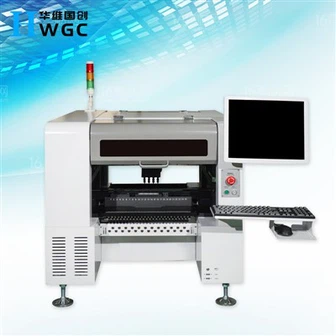
The Practical Application of SMT Machines in GPS Device Manufacturing
In GPS device manufacturing, Surface Mount Technology (SMT) machines have proven to be invaluable tools. These machines have revolutionized the production process by enabling the placement and soldering of electronic components onto Printed Circuit Boards (PCBs) with speed and precision.
One of the main advantages of SMT machines is their high level of automation. They are capable of swiftly and accurately placing components on a PCB, which significantly reduces production time. This means manufacturers can produce GPS devices in large quantities in a shorter time-frame, thereby increasing output and profits.
The accuracy of SMT machines is also a major asset. They can place electronic components with tolerances as low as 0.01mm. This ensures that the GPS device's circuit is free of defects, which results in a higher level of reliability and quality for the end-user.
Another crucial advantage of SMT machines is their ability to operate with high flexibility. They can handle a wide range of component sizes and shapes, which enables manufacturers to produce GPS devices with varying specifications. This allows manufacturers to offer a wider range of products, meet customer demand, and stay competitive in the market.
In addition to the above, SMT machines also offer a cleaner and more environmentally-friendly production process. Traditional through-hole technology, which involved drilling holes in the PCB and passing components through them, generated waste materials. SMT machines, however, do not require drilling which significantly reduces waste, making the production process cleaner and more environmentally friendly.
In conclusion, SMT machines are a game-changer in the GPS device manufacturing industry. Their speed, precision, flexibility, and environmentally-friendly production process make them essential tools for companies who wish to produce high-quality products at an increased scale. With SMT machines, the production of GPS devices can be highly efficient, and manufacturers can meet the demand of consumers while staying competitive in their market.