Application of SMT Machines in the Assembly of Miniaturized Electronics
The miniaturization of electronics has transformed the way we communicate, compute, and interact with the world around us. From microprocessors and sensors to mobile devices and wearables, today's electronic devices are smaller, lighter, and more powerful than ever before. However, the assembly of these miniaturized electronics poses challenges for traditional assembly methods. This is where Surface Mount Technology (SMT) machines come into play.
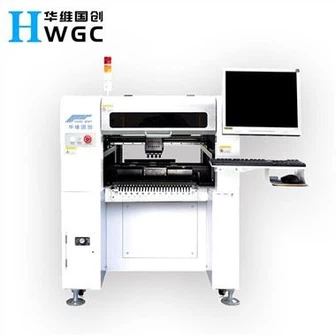
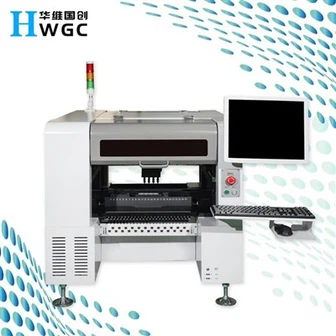
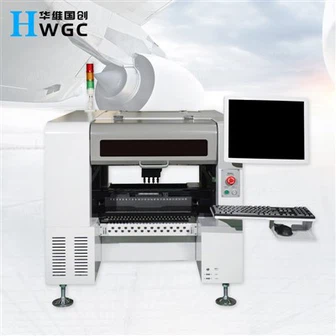
SMT machines are automated machines used to place electronic components on printed circuit boards (PCBs). SMT technology has become the go-to solution for electronics manufacturing due to its high efficiency, accuracy, and speed. By using precision placement techniques, SMT machines can mount components in very tight spaces, which is essential for miniaturized electronics.
One of the main advantages of SMT machines is their adaptability to different types of electronic components. SMT machines can handle various components, including small resistors, capacitors, and integrated circuits, among others. With a high degree of placement accuracy, SMT machines can position each component in its exact location during assembly, which ultimately leads to high-quality products.
SMT machines also offer significant cost savings compared to traditional assembly methods. The high level of automation in SMT machines reduces labor costs and minimizes the risk of human error, which can result in costly reworks. Additionally, SMT machines can handle larger volumes of components at a faster pace, which helps reduce overall production time.
In summary, SMT machines are essential tools in the assembly of miniaturized electronics. They provide efficient, accurate, and cost-effective solutions for the fast-paced electronics industry. With the continued miniaturization of electronic devices, SMT machines will play an even more important role in the future of electronics manufacturing.