How SMT Pick - And - Place Machines Facilitate Rapid Prototyping in Electronic Devices
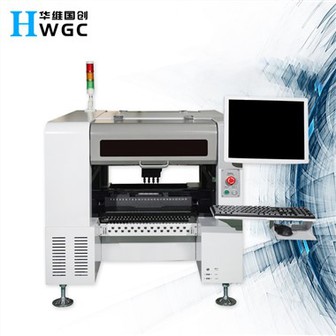
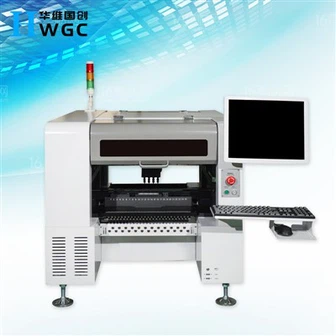
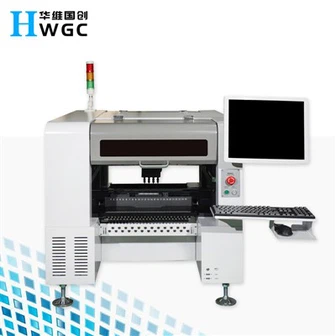
SMT (surface mount technology) pick-and-place machines have revolutionized the world of electronics manufacturing by enabling the rapid assembly of complex electronic components onto PCBs (printed circuit boards). These machines have also facilitated the process of rapid prototyping, a critical factor in the development of new electronic devices.
Rapid prototyping is the process of quickly creating functional prototypes of a product for testing, evaluation, and iteration. It is a crucial step in the product development cycle as it allows developers to identify and correct any design flaws before going into full-scale production. SMT pick-and-place machines play a vital role in making the rapid prototyping process more efficient and effective.
SMT pick-and-place machines are capable of placing a wide range of components onto the PCBs with high precision and speed. These machines can place small components, including resistors, capacitors, and transistors, as well as larger components like IC chips and connectors. The machines can also handle multiple components at once, which significantly reduces the assembly time of the PCBs.
SMT pick-and-place machines have automated the assembly process, reducing the need for manual labor. This automation not only saves time but also ensures greater accuracy and repeatability in the assembly process, reducing the likelihood of errors or defects in the prototypes.
Furthermore, SMT pick-and-place machines can easily switch between different components and layouts, allowing for the rapid production of different iterations of the product. This flexibility is significant in the development stage of a product where multiple design and function tests are required.
In conclusion, SMT pick-and-place machines have proven to be essential components in the rapid prototyping process, enabling quick and efficient assembly of electronic components onto PCBs. These machines have revolutionized electronic device manufacturing by reducing production time, increasing accuracy, and allowing for multiple design iterations. As a result, the use of these machines has significantly contributed to the advancement of the electronics industry.