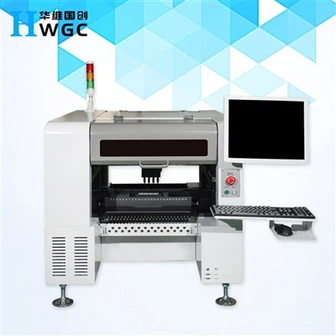
Basic Knowledge Of Fully Automatic Placement Machine
A fully automatic placement machine is a type of machine that is used in manufacturing and assembly lines to automatically place electronic components onto printed circuit boards (PCBs) with high accuracy and efficiency.
These machines use a variety of techniques including vision systems, suction nozzles, and robotic arms to seamlessly place components onto the PCB. The accuracy of these machines is incredibly high, with some models able to place components with an accuracy of up to 25 microns. This level of precision ensures that the components are properly aligned and soldered onto the PCB, preventing issues such as shorts or misalignments.
The use of a fully automatic placement machine provides several benefits to the manufacturing process. One of the most significant advantages is the speed at which components can be placed onto the PCB. This is especially important when dealing with large volumes of products, as it can greatly reduce the time required to complete the assembly process.
Another advantage is the reduction in errors that can occur during the assembly process. By removing the human element from the assembly process, the likelihood of mistakes is greatly reduced. This ultimately leads to higher quality products and greater customer satisfaction.
Fully automatic placement machines are an essential tool for manufacturers who want to maximize efficiency and accuracy in their assembly processes. While there are a few drawbacks associated with the use of these machines, such as the initial cost of purchase and maintenance, the benefits they provide far outweigh any negatives.
Overall, a fully automatic placement machine is a powerful tool that can greatly enhance the manufacturing process. By utilizing this technology, companies can increase productivity, reduce costs, and deliver high-quality products to their customers.