

Can an Smt printing machine work with different stencil materials?
Hey everyone,
If you’ve been in the SMT (Surface Mount Technology) game for even a minute, you know how important the stencil is to a good solder paste print. It’s not just a flat sheet with holes—its material makes a huge difference in how consistently paste gets deposited, especially when you’re mixing different PCB types or solder paste formulas. I get asked all the time: “Can my SMT printing machine work with different stencil materials?” Short answer: yeah, it can—if you do it right. As a supplier of SMT printing gear (think all the stuff that keeps your lines running smooth), I’ve seen a lot of guys skip the basics here and end up with headaches. Let’s break this down like we’re chatting over a coffee, no fancy jargon overload.
First, let’s set the scene. I work with a ton of customers—from small LED strip shops to big PCB manufacturing plants. A common pain point I see is when a shop buys a basic SMT printing machine Smt Printing Machine and assumes it only works with one stencil material. Spoiler: that’s rarely true, but you can’t just slap any stencil on there and call it a day. Different materials have different properties—tension, sturdiness, how they release solder paste—and your machine’s settings need to match that.
Let’s start with the most common stencil materials: stainless steel, polyimide (Kapton), and even some newer hybrid films. Stainless steel is the OG—most people use this for high-volume, precision work. It’s durable, holds tension really well, and doesn’t wear out fast. But what if you need something more flexible? Like, say, for flexible PCBs or LED strips that have weird curves? That’s where polyimide stencils come in. I recently worked with a customer who makes LED strips, and they were using a standard semi-auto stencil printer Semiauto Stencil Printer but switching to flexible polyimide stencils was making their print quality way better for the curved boards. Wait, but does their printer handle that? Yes, as long as they adjusted the squeegee pressure and speed. Stainless steel is rigid, so you can crank up the squeegee a little more, but polyimide stretches, so too much pressure and you’ll warp the stencil or get inconsistent paste deposits in different spots.
Then there’s the hybrid stuff—thin metal films bonded to a plastic base. These are good for low-volume prototypes or when you need super fine-pitch components (like 01005 resistors, which are tiny). One of my go-to models for this kind of work is the HW-S1200 Semi-Auto Solder Paste Printer For LED Strips HW-S1200 Semi-Auto Solder Paste Printer For LED Strips. That machine’s adjustable PCB clamps and stencil holding frame make it easy to swap between stainless and polyimide without a ton of re-calibration, which is a big win if you’re jumping between jobs all day. I’ve seen guys waste hours trying to adjust a cheap printer for different stencils, but our gear’s built with that flexibility in mind because we know most shops aren’t just doing one product forever.

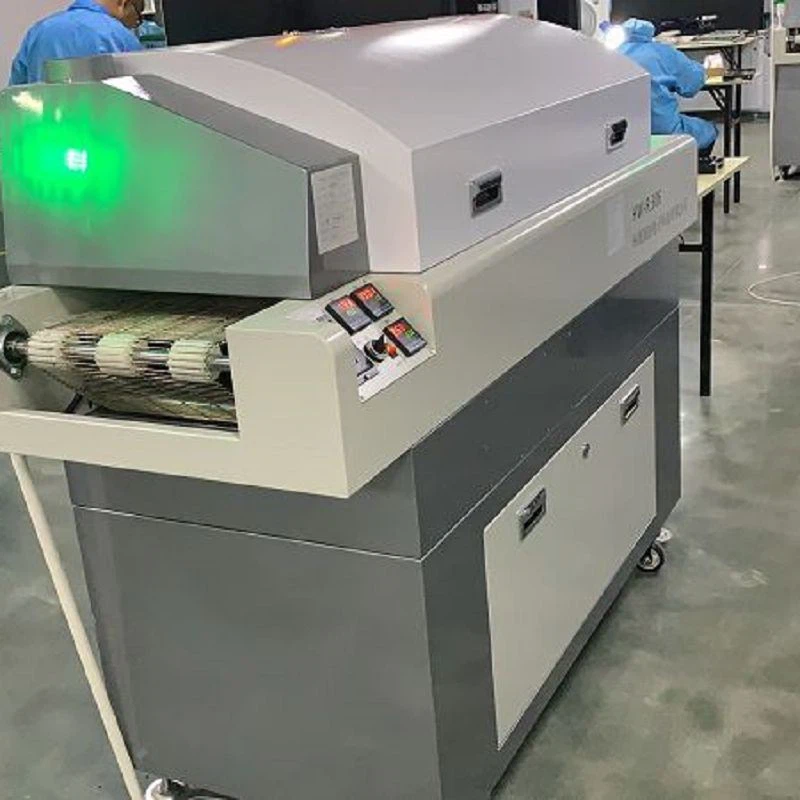
Now, let’s talk about the fine print—literally. The machine’s stencil alignment system is non-negotiable here. If your printer uses optical alignment pins (which most decent SMT printing machines do these days), different stencil materials don’t affect that part as long as the stencil has the right alignment holes. But if you’re using a really thin film stencil, you have to make sure the stencil bed is flat. A lot of cheap printers flex with thin materials, leading to misalignment when you print. That’s why when I recommend a semi-auto printer for shops that switch stencils often, I point them to the Assembly machine automatic production line Assembly machine automatic production line category—our machines have a rigid base that keeps stencils flat, no matter what material you’re using. I had a customer last month who was using a generic printer and switching between stainless and film stencils, and he was getting 20% more defects on film because of flex. Switched to our gear, and that defect rate dropped to almost zero. Game changer.
Wait, another big one: stencil tension. This is where a lot of people mess up when mixing materials. Stainless steel stencils can handle higher tension (like 20-25 N/cm) because they’re stiff. Polyimide is way more flexible, so you don’t want tension over 15 N/cm—too high and you’ll stretch it out of shape, too low and the paste won’t release properly. The good news is that most modern SMT printing machines have tension gauges built in, or at least adjustable tension settings, so you can tweak this without a fancy tool. If your printer doesn’t have that, that’s a red flag—you’ll be stuck guessing every time you swap stencils.
Let’s use a real example from a shop I work with. They have two lines: one making smartphone PCBs (high precision, stainless stencils) and one making large-format LED displays (thicker traces, sometimes polyimide stencils for the flexible sections). They were using a desktop pick and place setup that paired with a basic printer, and every time they switched stencils, they had to take the machine apart and re-calibrate. That was costing them like 2 hours per job, which added up to thousands in lost production. We suggested our big PCB making machine china electronics manufacturing desktop pick and place machine big PCB making machine china electronics manufacturing desktop pick and place machine and their semi-auto stencil printer, and now they can swap stencils in 15 minutes flat. They even told me last week that they’re using polyimide stencils for some prototype runs that they never would have tried before because the printer couldn’t handle it.
But wait—are there limits? Of course. You can’t use a super flimsy film stencil on a high-volume production line that’s running 24/7. Those thin stencils will wear out in days, whereas stainless steel ones last months. So it’s not that “any stencil works with any machine”—it’s matching the stencil material to your machine’s capabilities and your production needs. If you’re a prototype shop that runs small batches with fine-pitch parts, a semi-auto printer that handles film stencils is perfect. If you’re high-volume, stainless steel is still the way to go, but that same machine can switch to stainless for big jobs and maybe a hybrid stencil for rare custom jobs if you need it.
Another thing to consider is solder paste type. Wait, but how does that tie into stencil material and machine? Let’s say you’re using a solder paste with bigger particles (for power components) — you need a stencil with thicker walls, which stainless steel can handle easier. If you’re using fine-pitch paste, a thin film stencil is better because it releases paste cleaner. Your machine’s squeegee type matters here too—harder squeegees for stainless, softer for flexible stencils. That’s another adjustment our SMT printing machines make easy; we don’t make you hunt for a tool to swap squeegees. I’ve seen guys use a hard squeegee on polyimide, and the stencil would crinkle, leading to paste all over the PCB. Not a good look, and it’s a waste of materials.
Let’s wrap this up with a few key takeaways because I know you’re here for actionable stuff:
- Yes, your SMT printing machine can work with different stencil materials—if the machine is built for adjustability (tension, flat bed, alignment).
- Stainless steel = high-volume, rigid PCBs; polyimide/film = flexible PCBs, fine pitch, prototypes; hybrid = middle ground.
- Don’t skip the adjustments: tension, squeegee hardness, pressure, speed. Generic settings don’t work for different materials.
- If you’re still fighting with your printer when swapping stencils, it might be time to look for a machine designed for that flexibility (check out our gear, I can point you to the right models).
If you’re tired of dealing with print defects every time you switch stencils, or if you’re ready to upgrade a line that can handle multiple stencil types for different jobs, hit me up to chat. I’m not here to sell you something you don’t need—just someone who’s been in the trenches with SMT gear for years, helping shops cut down on downtime and defects. We can talk through your specific needs, whether you’re running LED strips (like that HW-S1200), high-volume PCB lines, or prototype shops. Don’t waste another hour messing with a machine that can’t keep up with your work—let’s make your line work for you, not against you.
References:
- SMT Stencil Material Selection and Compatibility with Printing Equipment, International Journal of Electronics Manufacturing, 2022
- Optimizing Semi-Auto Solder Paste Printing for Variable Stencil Materials, Surface Mount Technology Association (SMTA) Conference Proceedings, 2023
- Flexible Stencil Handling for Curved PCB Applications, Journal of Microelectronics and Electronic Packaging, 2021
- High-Volume Production Stencil Durability Studies, Electronics Manufacturing and Technology Magazine, 2022